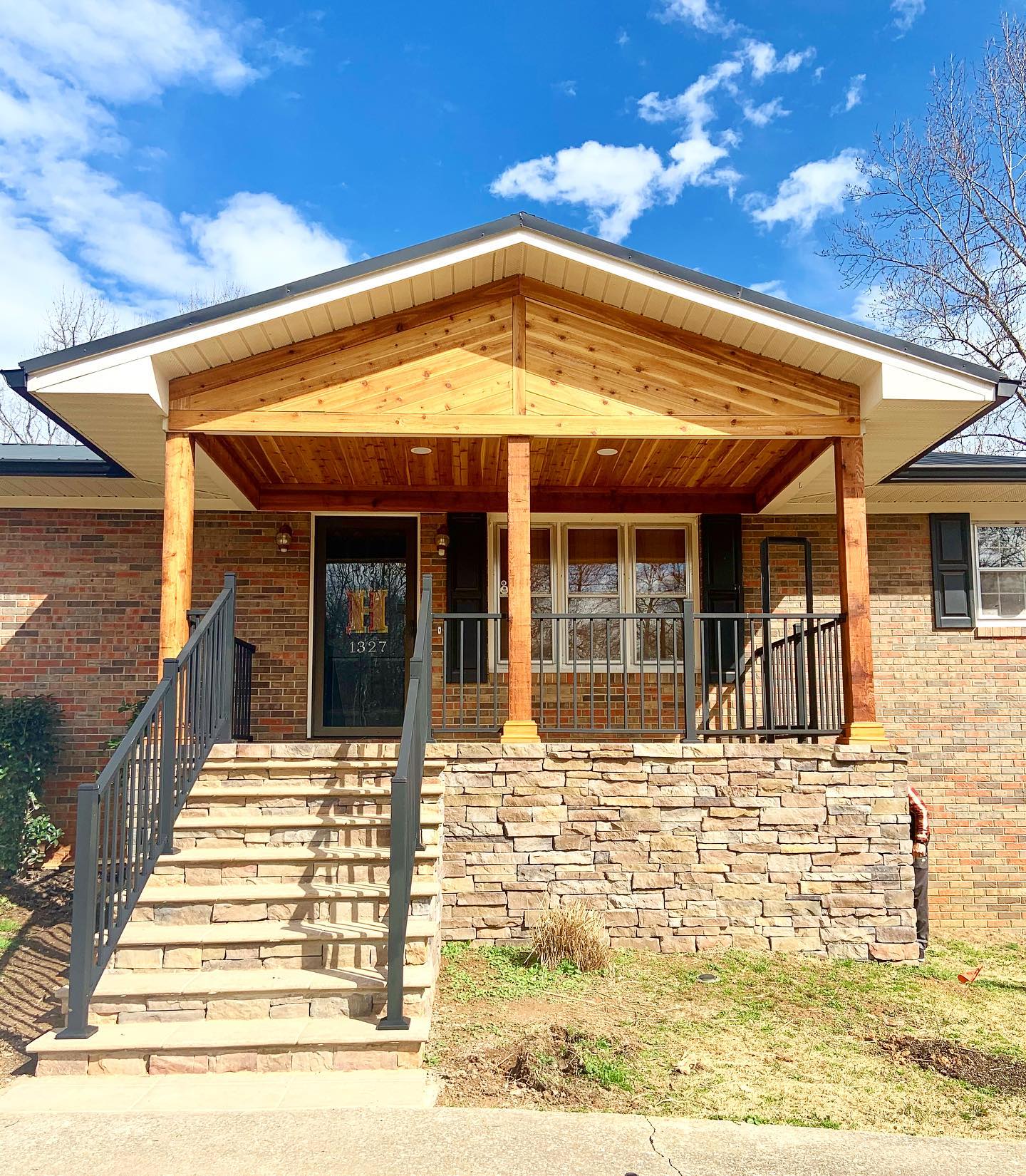
The Perfect Balance: Designing Landscapes with Symmetry and Flow Jul 19, 2026
To begin, symmetry involves creating mirror images in a landscape. This timeless design principle provides a sense of order and elegance, making any outdoor area feel thoughtfully planned. Symmetry can often be seen in traditional and formal gardens, where pathways, plants, and features are mirrored on either side of a central line. For example, placing identical trees or shrubs on both sides of a walkway can create a dramatic, linear effect. Such structures not only adorn the garden but also guide the eye naturally through the space.
However, too much symmetry can sometimes come across as stiff or static, which is where the element of flow becomes critical. Flow in landscape design refers to the seamless transition between different areas and elements within the garden. Integrating flow ensures that your space feels connected and easy to navigate, making it enjoyable for family and guests alike. Consider using curved pathways or staggered plant arrangements to add fluidity. This will help break up the rigidity of symmetry, introducing a dynamic movement and making the garden feel alive.
Understanding how to blend symmetrical design with natural flow involves strategic planning and creativity. Begin by assessing the existing layout of your garden. Identify focal points such as fountains or statues, which can serve as anchors for symmetry. Next, introduce elements of flow with meandering paths or mixed plant beds around these focal points. For instance, a symmetrical layout with a central water feature could be softened with curved paths that gently lead visitors around fragrant flower beds or rustic stone seating areas.
Another effective approach to achieving balance is through the thoughtful selection of plants and materials. Utilize a mix of structured plants like hedges or topiaries for symmetry, alongside softer, free-form greenery that promotes flow. Perennials such as lavender or ornamental grasses can add movement and vibrancy, swaying gently with the breeze and subtly connecting different garden sections.
Lighting also plays a pivotal role in landscape design, enhancing both symmetry and flow. Well-placed lights can highlight symmetrical features, such as twin sculptures or a row of trees, while also guiding nighttime movement through the garden with soft illumination along pathways.
Ultimately, the perfect landscape marries symmetry with flow in a way that reflects the homeowner’s personality and lifestyle. While symmetry offers order and restful continuity, flow introduces flexibility and a sense of calm. By incorporating both, CSS Renovations can help you design an outdoor space that is not only beautiful but also practical.
In conclusion, designing a landscape that captivates and charms involves meticulous planning to maintain a balance between symmetry and flow. With the right mix of structured elements and dynamic transitions, your garden can become an oasis of tranquility and elegance. Let CSS Renovations assist you in crafting a landscape that perfectly echoes the harmony of nature, inviting you to unwind and enjoy your outdoor haven.
/filters:no_upscale()/filters:format(webp)/media/7c9f36d2-54c5-4d98-8f48-4f7ea0c3ad52.jpeg)
/filters:no_upscale()/filters:format(webp)/media/a5f10c88-ea79-4db7-b9cf-ca070ba094ea.jpeg)